






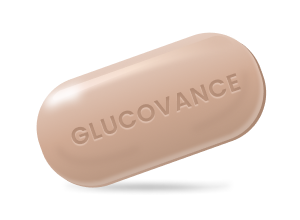
Glucovance is a prescription medicine used to treat the symptoms of Type 2 Diabetes Mellitus. Glucovance may be used alone or with other medications.
Glucovance belongs to a class of drugs called Antidiabetics, Sulfonylureas/Biguanides.
It is not known if Glucovance is safe and effective in children.









Glucovance
| Package | pill | Total price | Save | Order |
|---|---|---|---|---|
| 5/500mg × 60 Pills | $0.72 | $42.93 | - | Add to cart |
| 5/500mg × 120 Pills | $0.59 | $70.53 | $15.60 | Add to cart |
| 5/500mg × 240 Pills | $0.52 | $125.73 | $48.00 | Add to cart |
| 5/500mg × 300 Pills | $0.51 | $153.33 | $63.00 | Add to cart |
| Package | pill | Total price | Save | Order |
|---|---|---|---|---|
| 2.50/400mg × 60 Pills | $0.72 | $42.93 | - | Add to cart |
| Package | pill | Total price | Save | Order |
|---|---|---|---|---|
| 2.5/400mg × 120 Pills | $0.59 | $70.53 | - | Add to cart |
| 2.5/400mg × 240 Pills | $0.52 | $125.73 | $16.80 | Add to cart |
| 2.5/400mg × 300 Pills | $0.51 | $153.33 | $24.00 | Add to cart |
Your order will be packed safely and securely and dispatched within 24 hours. This is exactly how your parcel will look like (pictures of a real shipping item). It has the size and the look of a regular private letter (9.4x4.3x0.3 inches or 24x11x0.7cm), and it does not disclose its contents
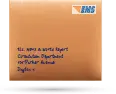


Drug uses
GLUCOVANCE (Glyburide and Metformin HCl) Tablets is indicated as an adjunct to diet and exercise to improve glycemic control in adults with type 2 diabetes mellitus.
Overdosage
Glyburide
Overdosage of sulfonylureas, including glyburide tablets, can produce hypoglycemia. Mild hypoglycemic symptoms, without loss of consciousness or neurological findings, should be treated aggressively with oral glucose and adjustments in drug dosage and/or meal patterns. Close monitoring should continue until the physician is assured that the patient is out of danger. Severe hypoglycemic reactions with coma, seizure, or other neurological impairment occur infrequently, but constitute medical emergencies requiring immediate hospitalization. If hypoglycemic coma is diagnosed or suspected, the patient should be given a rapid intravenous injection of concentrated (50%) glucose solution. This should be followed by a continuous infusion of a more dilute (10%) glucose solution at a rate that will maintain the blood glucose at a level above 100 mg/dL. Patients should be closely monitored for a minimum of 24 to 48 hours, since hypoglycemia may recur after apparent clinical recovery.
Metformin Hydrochloride
Overdose of metformin hydrochloride has occurred, including ingestion of amounts > 50 g. Hypoglycemia was reported in approximately 10% of cases, but no causal association with metformin hydrochloride has been established. Lactic acidosis has been reported in approximately 32% of metformin overdose cases. Metformin is dialyzable with a clearance of up to 170 mL/min under good hemodynamic conditions. Therefore, hemodialysis may be useful for removal of accumulated drug from patients in whom metformin overdosage is suspected.
Storage
Store at temperatures up to 25°C (77°F).
Dispense in light-resistant containers.
Safety information
Warnings
Metformin Hydrochloride
Lactic Acidosis
Lactic acidosis is a rare, but serious, metabolic complication that can occur due to metformin accumulation during treatment with GLUCOVANCE (Glyburide and Metformin HCl) Tablets; when it occurs, it is fatal in approximately 50% of cases. Lactic acidosis may also occur in association with a number of pathophysiologic conditions, including diabetes mellitus, and whenever there is significant tissue hypoperfusion and hypoxemia. Lactic acidosis is characterized by elevated blood lactate levels ( > 5 mmol/L), decreased blood pH, electrolyte disturbances with an increased anion gap, and an increased lactate/pyruvate ratio. When metformin is implicated as the cause of lactic acidosis, metformin plasma levels > 5 μg/mL are generally found.
The reported incidence of lactic acidosis in patients receiving metformin hydrochloride is very low (approximately 0.03 cases /1000 patient-years, with approximately 0.015 fatal cases /1000 patient-years ). In more than 20,000 patient-years exposure to metformin in clinical trials, there were no reports of lactic acidosis. Reported cases have occurred primarily in diabetic patients with significant renal insufficiency, including both intrinsic renal disease and renal hypoperfusion, often in the setting of multiple concomitant medical/surgical problems and multiple concomitant medications. Patients with congestive heart failure requiring pharmacologic management, in particular those with unstable or acute congestive heart failure who are at risk of hypoperfusion and hypoxemia, are at increased risk of lactic acidosis. The risk of lactic acidosis increases with the degree of renal dysfunction and the patient's age. The risk of lactic acidosis may, therefore, be significantly decreased by regular monitoring of renal function in patients taking metformin and by use of the minimum effective dose of metformin. In particular, treatment of the elderly should be accompanied by careful monitoring of renal function. GLUCOVANCE treatment should not be initiated in patients ≥ 80 years of age unless measurement of creatinine clearance demonstrates that renal function is not reduced, as these patients are more susceptible to developing lactic acidosis . In addition, GLUCOVANCE should be promptly withheld in the presence of any condition associated with hypoxemia, dehydration, or sepsis. Because impaired hepatic function may significantly limit the ability to clear lactate, GLUCOVANCE should generally be avoided in patients with clinical or laboratory evidence of hepatic disease. Patients should be cautioned against excessive alcohol intake, either acute or chronic, when taking GLUCOVANCE, since alcohol potentiates the effects of metformin hydrochloride on lactate metabolism. In addition, GLUCOVANCE should be temporarily discontinued prior to any intravascular radiocontrast study and for any surgical procedure.
The onset of lactic acidosis often is subtle, and accompanied only by nonspecific symptoms such as malaise, myalgias, respiratory distress, increasing somnolence, and nonspecific abdominal distress. There may be associated hypothermia, hypotension, and resistant bradyarrhythmias with more marked acidosis. The patient and the patient's physician must be aware of the possible importance of such symptoms and the patient should be instructed to notify the physician immediately if they occur. GLUCOVANCE should be withdrawn until the situation is clarified. Serum electrolytes, ketones, blood glucose, and if indicated, blood pH, lactate levels , and even blood metformin levels may be useful. Once a patient is stabilized on any dos e level of GLUCOVANCE, gastrointestinal symptoms , which are common during initiation of therapy with metformin, are unlikely to be drug related. Later occurrence of gastrointestinal symptoms could be due to lactic acidosis or other serious disease.
Levels of fasting venous plasma lactate above the upper limit of normal but less than 5 mmol/L in patients taking GLUCOVANCE do not necessarily indicate impending lactic acidosis and may be explainable by other mechanisms, such as poorly controlled diabetes or obesity, vigorous physical activity, or technical problems in s ample handling.
Lactic acidosis should be suspected in any diabetic patient with metabolic acidosis lacking evidence of ketoacidosis (ketonuria and ketonemia).
Lactic acidosis is a medical emergency that must be treated in a hospital setting. In a patient with lactic acidosis who is taking GLUCOVANCE, the drug should be discontinued immediately and general supportive measures promptly instituted. Because metformin hydrochloride is dialyzable (with a clearance of up to 170 mL/min under good hemodynamic conditions ), prompt hemodialysis is recommended to correct the acidosis and remove the accumulated metformin. Such management often results in prompt reversal of symptoms and recovery.
SPECIAL WARNING ON INCREASED RISK OF CARDIOVASCULAR MORTALITY
The administration of oral hypoglycemic drugs has been reported to be associated with increased cardiovascular mortality as compared to treatment with diet alone or diet plus insulin. This warning is based on the study conducted by the University Group Diabetes Program (UGDP), a long-term prospective clinical trial designed to evaluate the effectiveness of glucoselowering drugs in preventing or delaying vascular complications in patients with non-insulindependent diabetes. The study involved 823 patients who were randomly assigned to 1 of 4 treatment groups (Diabetes 19 (Suppl. 2):747-830, 1970).
UGDP reported that patients treated for 5 to 8 years with diet plus a fixed dose of tolbutamide (1.5g per day) had a rate of cardiovascular mortality approximately 2½ times that of patients treated with diet alone. A significant increase in total mortality was not observed, but the use of tolbutamide was discontinued based on the increase in cardiovascular mortality, thus limiting the opportunity for the study to show an increase in overall mortality. Despite controversy regarding the interpretation of these results , the findings of the UGDP study provide an adequate bas is for this warning. The patient should be informed of the potential risks and benefits of glyburide and of alternative modes of therapy.
Although only 1 drug in the sulfonylurea class (tolbutamide) was included in this study, it is prudent from a safety standpoint to consider that this warning may also apply to other hypoglycemic drugs in this class, in view of their close similarities in mode of action and chemical structure.
Disclaimer
The information on this page is not intended to be a substitute for professional medical advice. Do not use this information to diagnose or treat your problem without consulting your doctor.
Side effects
Glucovance may cause serious side effects including:
- hives,
- difficulty breathing,
- swelling of your face, lips, tongue, or throat,
- swelling,
- rapid weight gain,
- shortness of breath,
- extreme weakness,
- blurred vision,
- sweating,
- trouble speaking,
- tremors,
- stomach pain,
- confusion,
- seizures,
- unusual muscle pain,
- trouble breathing,
- stomach pain,
- vomiting,
- irregular heart rate,
- dizziness,
- feeling cold,
- weakness, and
- tiredness
Get medical help right away, if you have any of the symptoms listed above.
The most common side effects of Glucovance include:
- low blood sugar,
- nausea,
- diarrhea,
- upset stomach, and
- headache
Tell the doctor if you have any side effect that bothers you or that does not go away.
These are not all the possible side effects of Glucovance. For more information, ask your doctor or pharmacist.
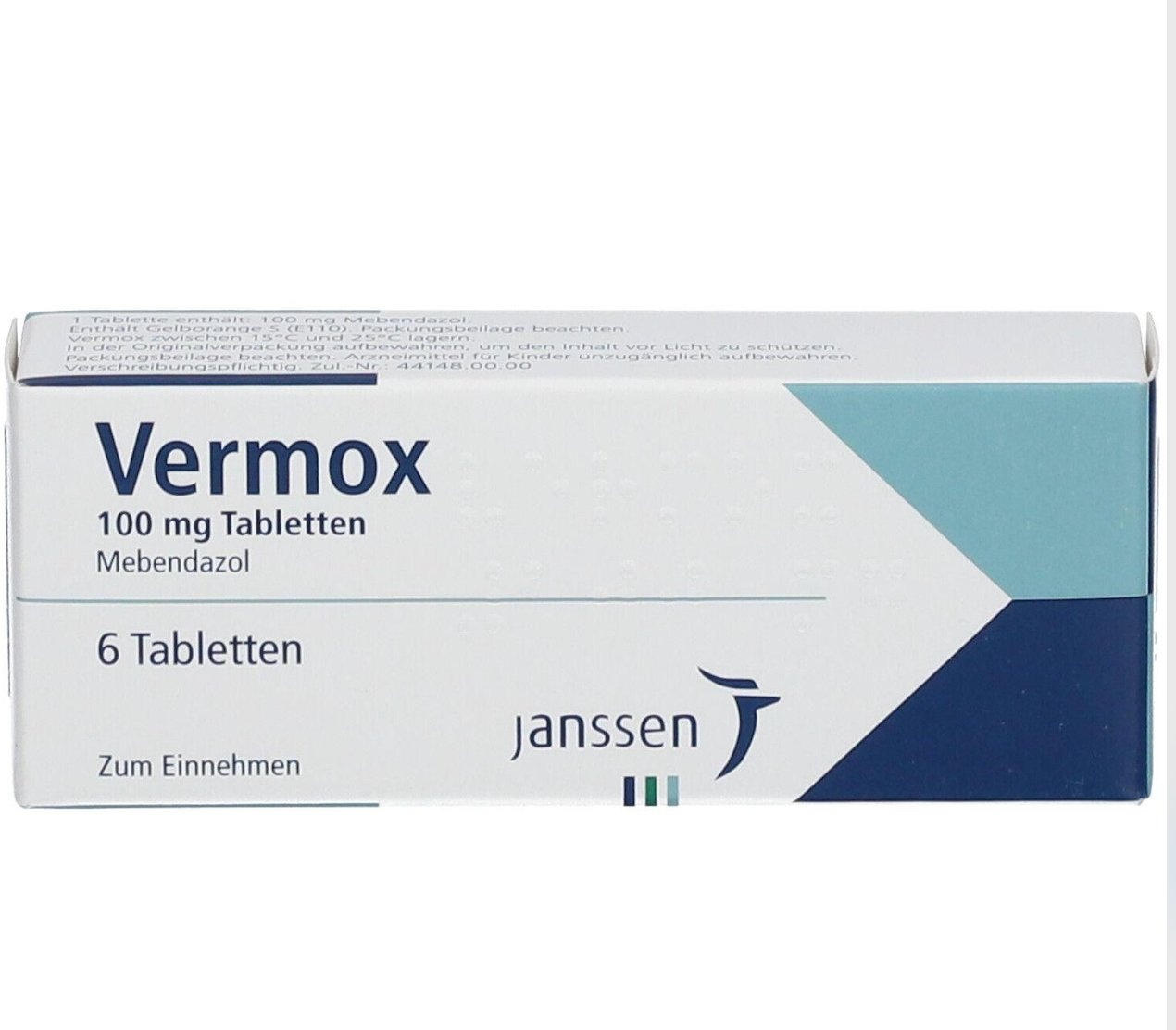
Vermox - anthelminthic drug of a wide spectrum of action. The most effective for Enterobius vermicularis, Trichuris trichiura, Ascaris lumbricoides, Ancylostoma duodenale, Necator americanus, Strongyloides stercoralis, Taenia solium, Echinococcus granulosus, Echinococcus multilocularis, Trichinella spiralis, Trichinella nativa, Trichinella nelsoni.
Causing an irreversible violation of glucose utilization, depletes glycogen stores in helminth tissues, interferes with the synthesis of cellular tubulin, and also inhibits the synthesis of ATP.
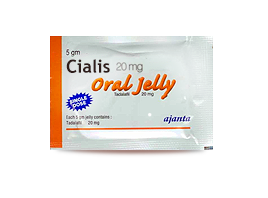
Cialis Professional - effective tablets for improvement of erection. They begin to work in 15 minutes from the moment of taking and actions for 36 hours. They can cause not less than 10, but no more than 16 erections. The medicine increases duration of sexual intercourse. The tablets are successfully used for reduction of time for recovery of erection after ejaculation.

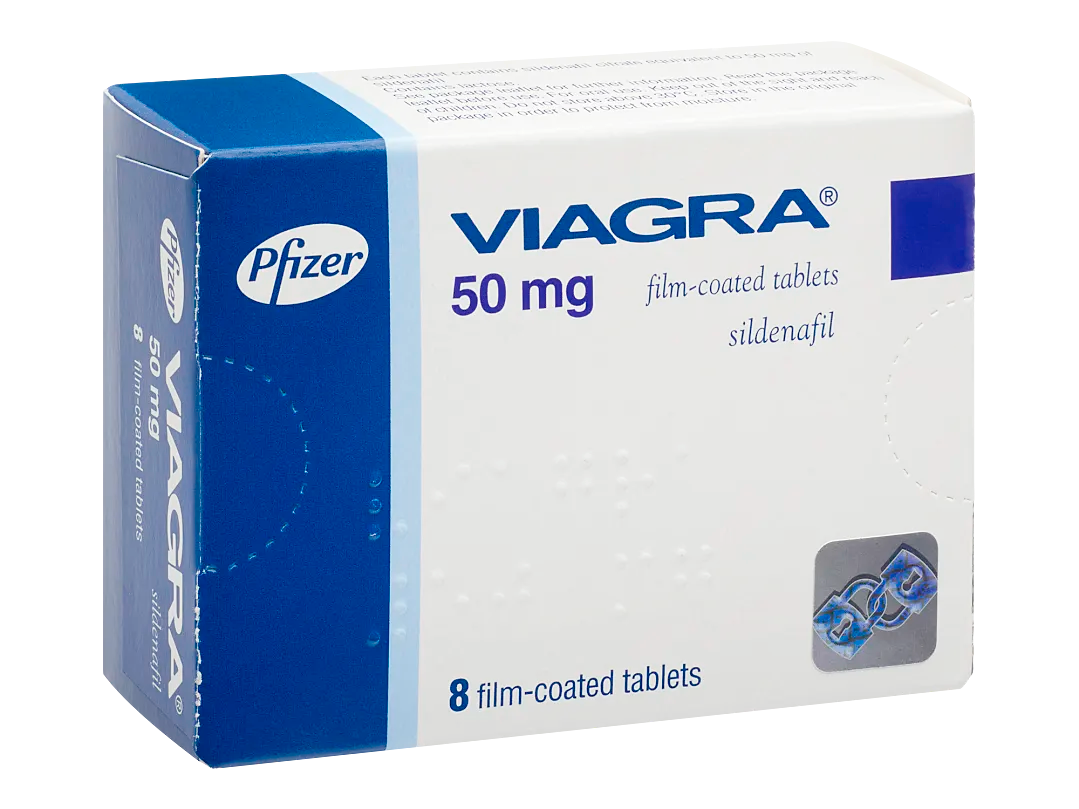
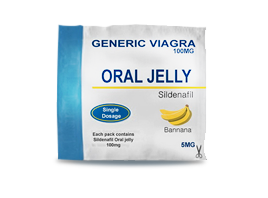
Viagra Oral Jelly - a new formula of the drug Viagra. Sildenafil - 100 mg. It is prescribed for men with a weak potentiality. Helps to recover libido and to improve sexual activity. Accelerates process of excitement of reproductive system. It makes erection brighter. Considerably increases duration of sexual intercourse. Besides, drug has various pleasant tastes, it is convenient to carry in a pocket or in a purse. Hurry to try it!
Furosemide - «Loopback" diuretic; causes quickly coming, severe and short-term diuresis. Has natriuretic and chloro effects, increases clearance of K+, Ca2+, Mg2+. It is taken at edematous syndrome, cirrhosis, diseases of kidneys, heavy course of arterial hypertension and hypercalcemia.
Capoten suppresses activity of angiotensin-converting-enzyme therefore angiotensin-I turns into angiotensin II - substance which has strong vasoconstrictive action. Capoten reduces secretion of Aldosteronum in suprarenal cortex, at the same time the delay of sodium and water in an organism decreases. Capoten slows down process of bradykinin destruction and promotes increase of E2 prostaglandin, and also nitrogen oxide that causes vasodilating action. Thanks to these effects it is decreased the increased arterial pressure, the general peripheric resistance decreases, pressure in the right auricle, in a small circle of blood circulation decreases and cordial emission increases.
Prograf The active ingredient of the drug (Tacrolimus) binds to cytosolic protein (FKBP12), responsible for the intracellular accumulation of the drug. Designed for the prevention and treatment of allograft liver, kidneys and heart rejection reactions, including those resistant to standard immunosuppressive therapy regimes.
Baycip - the drug, which is highly effective at infections of urinary tracts; at intake it quickly gets into kidneys, has a long-term effuse, has bactericidal effect on Pseudomonasaeruginosa. Drug is prescribed at treatment of oncological patients. It is prescribed when it is diagnosed different respiratory infections, of skin and soft tissues, bones and joints, digestive tract, including the infections caused by a salmonella, a shigella, campylobacters.
Amaryl - a medicine of group of sulphonylurea, the peroral hypoglycemic medicine. It has an initially prolonged effect. The mechanism of action consists in stimulation of secretion and release of insulin from beta cells of a pancreas (pancreatic effect). It also increases sensitivity of fatty and muscular tissues to effect of insulin (extrapancreatic effect).
Promethazine reduces the permeability of capillaries, swelling of the mucous membranes, itching. Has adrenolytic, moderate peripheral and central cholinolytic action. Inhibits histamine-N-methyltransferase, blocks central histamine H3 receptors. Oppresses the central nervous system, has a sedative, anxiolytic, antipsychotic and hypnotic effect, lowers body temperature. Reduces the excitability of the vestibular receptors, eliminates dizziness. Has antiemetic effect.
Astelin belongs to antihistamines which purpose is to block histamines in the human organism. It’s a spray that deletes nasal congestion, itching, and sneezing. The medicine is effective in case of infection, inflammation, and allergic reaction which result in itching, stuffy, and runny nose. Medics usually prescribe it for adults and children above five (in case of seasonal allergy) and above twelve (in case of vasomotor rhinitis that constricts and dilates a vein, artery, or capillary in the nasal cavity).
Claritin prevents development and facilitates the course of allergic reactions. Possesses antiallergic, antipruritic, antiexudative action. Reduces permeability of capillaries, controls oedemata of tissues, removes spasms of smooth muscles. It is prescribed at allergic rhinitis, conjunctivitis, pollinosis, urticaria fever, angioedema, pruritic dermatosis; pseudo-allergic reactions, caused by release of histamine; allergic reactions at stings of insects.
Aristocort - glucocorticoid drug (the adrenal hormone influencing carbohydrate and protein metabolism). Renders prominent antiinflammatory, antiallergic and immunodepressive (suppressing immunity - body defences of an organism) effect. It is prescribed at rheumatism, allergic reactions, multiform erythema (variously proceeding skin disease which occurs with rubefaction of affected area of skin), pseudorheumatism (the infectious and allergic disease from a group of collagenoses which is characterized by chronic progressing inflammation of joints); systemic lupus erythematosus and other collagenoses.
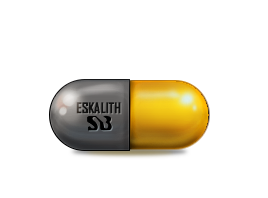
Eskalith - mood stabilizing agent (normalizes a mental state, without causing the general block), renders also antidepressive, sedative and anti-maniacal action. It is prescribed at maniacal and hypomaniacal states of various genesis, affective psychoses, alcoholism, migraine, Menyer's syndrome, sexual frustration, medicinal dependence.
Antidepressant; a specific inhibitor of serotonin reuptake by neurons of the brain. Has no stimulating or sedative effect, does not affect choline, muscarin-, histamine- and adrenergic processes. The therapeutic effect develops 1-4 weeks after the initiation of therapy.
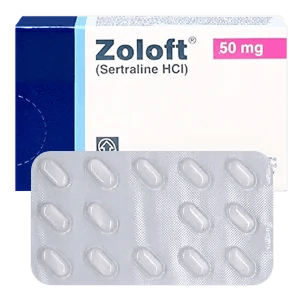
Zoloft is an antidepresant stopping the reuptake of serotonin, which is performed by the neurons that isolated it. As a result, the concentration of the neurotransmitter increases in the synaptic cleft and the main cause of depressive states, the serotonin deficiency, is eliminated.
An oral hypoglycemic means, which inhibiting the intestinal alpha-glycosidase, reduces the enzymatic conversion of di-, oligo - and polysaccharides to mono-saccharides, thereby reducing the absorption of glucose from the intestine and postprandial hyperglycemia. It is used to treat diabetes, of type 2 under the ineffective diet, the course of which shall not be less than 6 months, type 1diabetes within the combination therapy.

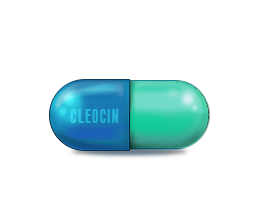
Cleocin has bacteriostatic and bactericidal activity depending on concentration of drug, infectious process and condition of an organism of the patient. Active against aerobic and anaerobic streptococcus (except for enterococci), the majority of staphylococcus except for methicillin-resistant strains, bacteroids except for Bacteroides melaninogenicus, spindle-shaped bacteria
Zebeta is a beta-blocker that affects the heart and blood flow. The drug is used to treat hypertension (high blood pressure)
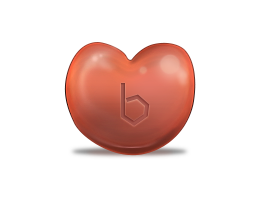
Depakote - antiepileptic medicine, has the central myorelaxation and sedative effect. It is taken for treatment of epilepsy of various genesis, at epileptic seizures, febrile spasms at children, and character changes caused by epilepsy.
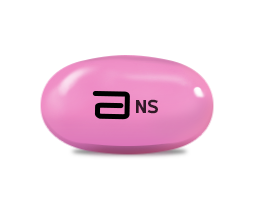
Topamax - the remedy with an active ingredient: topiramate, it is used as a monotherapy for the treatment of adults and children 6 years of age with partial attacks with or without secondary generalized seizures and primary generalized tonic-clonic seizures; as an adjunct therapy for the treatment of adults and children 2 years of age with partial attacks with or without secondary generalized seizures or primary generalized tonic-clonic seizures and the treatment of attacks associated with Lennox-Gasto syndrome; to prevent migraine attacks in adults, after careful evaluation of alternative treatment options. Topiramate is not recommended for the treatment of acute conditions.
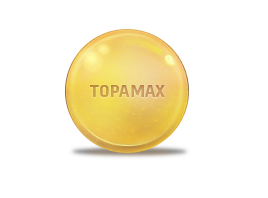
Aldactone, which is spironolactone - is a competitive antagonist of aldosteron. In disteel kidney tubules increases removal of sodium and water, reduces - potassium. Lowers arterial pressure. It is prescribed at hyperaldosteronism, diagnostics of hyperaldosteronism, adenoma of adrenal glands, producing aldosterone; edema syndrome at chronic heart failure, cirrhosis, nephrotic syndrome, nephropathy of pregnant women; arterial hypertension, hypokalaemia, as additional medicine at malignant hypertension, hypokalaemia, prevention of hypokalaemia at patients with cardiac glycoside.
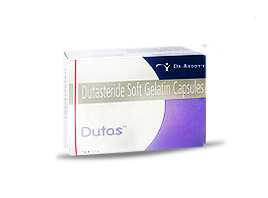
Dutas is a mix of two medicines: dutasteride and tamsulosin hydrochloride. The drugs have complementary mechanisms of action, due to which there is a rapid weakening of urination. It reduces the risk of retention of the urine. It is not anticipated that the pharmacodynamic reactions of a fixed dosage mix of dutasteride-tamsulosin differ from those obtained with the simultaneous use of dutasteride and tamsulosin as separate elements. Dutasteride inhibits the activity of both the 1st and 2nd type of isoenzymes. DHT is an androgen that is responsible for prostate and the increase of BPH. It inhibits the activity of adrenoreceptors.
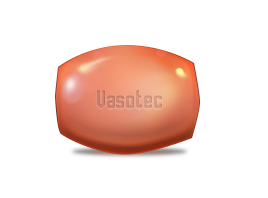
Vasotec- an antihypertensive drug based on the action of the active ingredient Enalapril, whose mechanism of action is associated with inhibition of the activity of the angiotensin-converting enzyme, leading to a decrease in the formation of the vasoconstrictor factor - angiotensin II and simultaneously to the activation of the formation of kinin and prostacyclin possessing a vasodilating action.
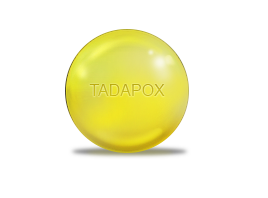
Tadapox includes two medications combined for an even more effective approach of the problem of erectile dysfunction. The first one, Tadalafil, is a mighty restorative agent that reverses a male’s inability to achieve a satisfyingly firm erection. The second component, Dapoxetine, handles the other side of clinical impotency that shows as untimely ejaculation. Tadapox successfully manages said issues in populations of patients from 18 to 64 years of age. Its unique mix of therapeutic characteristics helps men revitalize their sexual function in a comparatively short time.
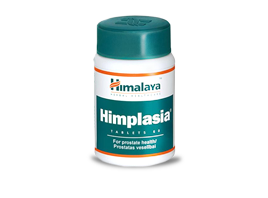
Himplasia is a unique Ayurvedic herbal drug. It helps to cope with BPH (benign prostatic hyperplasia) that causes difficulty of urine outflow, increased urge to urinate, frequent night visits to the toilet, and urine leakage. Himplasia promotes the removal of edema from the prostate and thereby improves the outflow of urine. The drug can be taken when the symptoms of BPH only begin to manifest themselves. It’s the way to reduce the risk of further development of the disease.
Thiol derivative, a competitive hypoxanthine antagonist, has an immunosuppressive and cytostatic effect. It is used for prevention of rejection reaction in kidney transplantation, treatment of rheumatoid arthritis, chronic active hepatitis, SLE, dermatomyositis, periarteritis nodosa, acquired hemolytic anemia, gangrenous pyoderma, psoriasis, Crohn's disease, ulcerative colitis and myopathy.
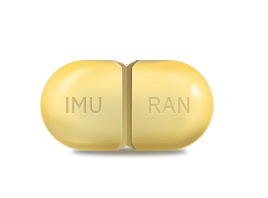
Peripheral vasodilator with predominant effect on venous vessels. It is used for the prevention of angina in CHF, hypertension in the "small" circulation, "pulmonary" heart (treatment as a part of combination therapy), spasm of peripheral arteries (obliterating endarteritis, angiospastic retinitis)
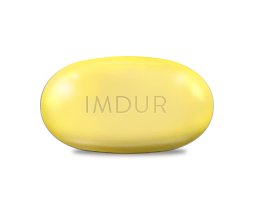
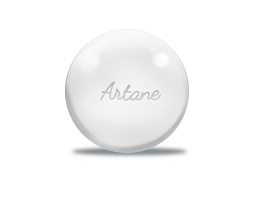
Artane, which is trihexyphenidyl - has a prominent central and peripheral cholinolytic effect. It is prescribed to patients with the diagnosed Parkinsonism of various etiology and other diseases of extrapyramidal system which are followed by increase in a muscle tone and hyperkinesias (violent automatic movements owing to involuntary reduction of muscles).
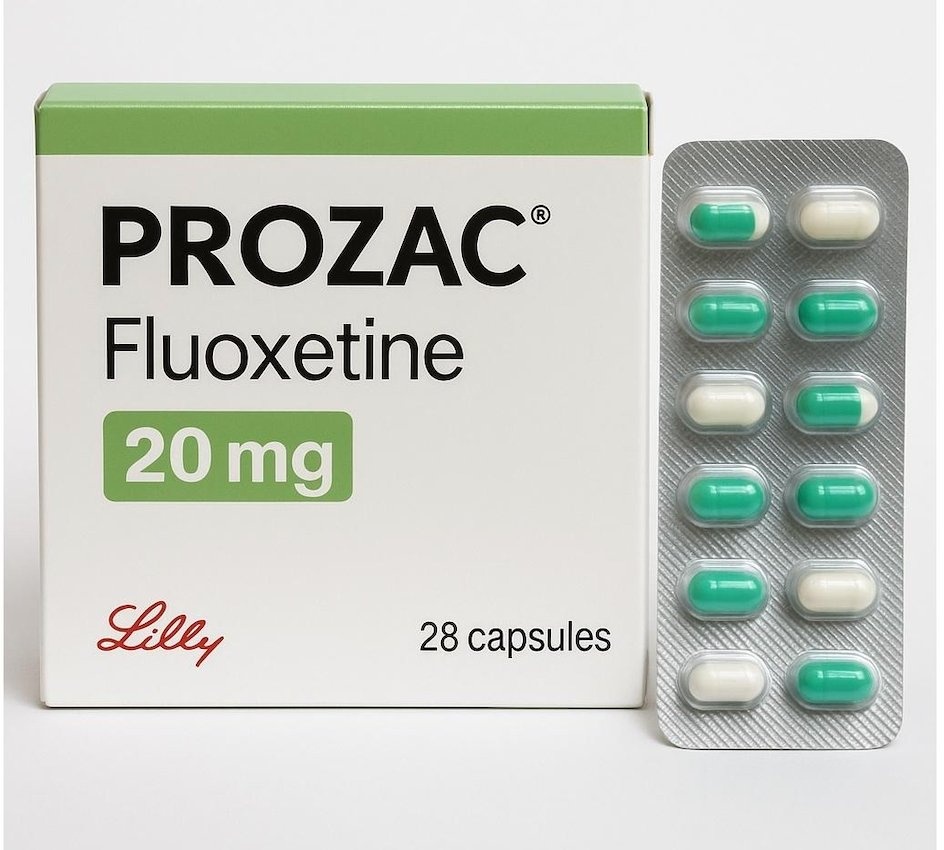
Fluoxetine is an antidepressant group of selective serotonin reuptake inhibitors. It has a timoanaleptic and stimulating effect. It is used for depression of various genesis, obsessive-compulsive disorders, bulimic neuroses.
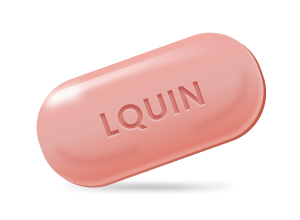
Lquin Tablet is an antibiotic medicine. It is used for the treatment of bacterial infection of the lungs, throat, airways, nose, ears, urinary tract, skin and soft tissues. It contains levofloxacin.
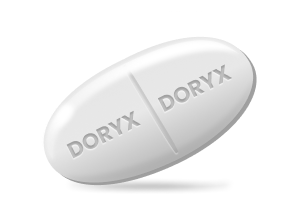
Doryx MPC (doxycycline hyclate) delayed-release tablets for oral use, contain doxycycline hyclate, a tetracycline class drug synthetically derived from oxytetracycline, in a delayed-release formulation consisting of pellets with a modified polymer enteric coat that has increased acid resistance.